For 200 years, Western Reserve Academy students have been at the forefront of innovation. So it comes as no surprise that, in 2026, students continue to engineer…even at a molecular level!
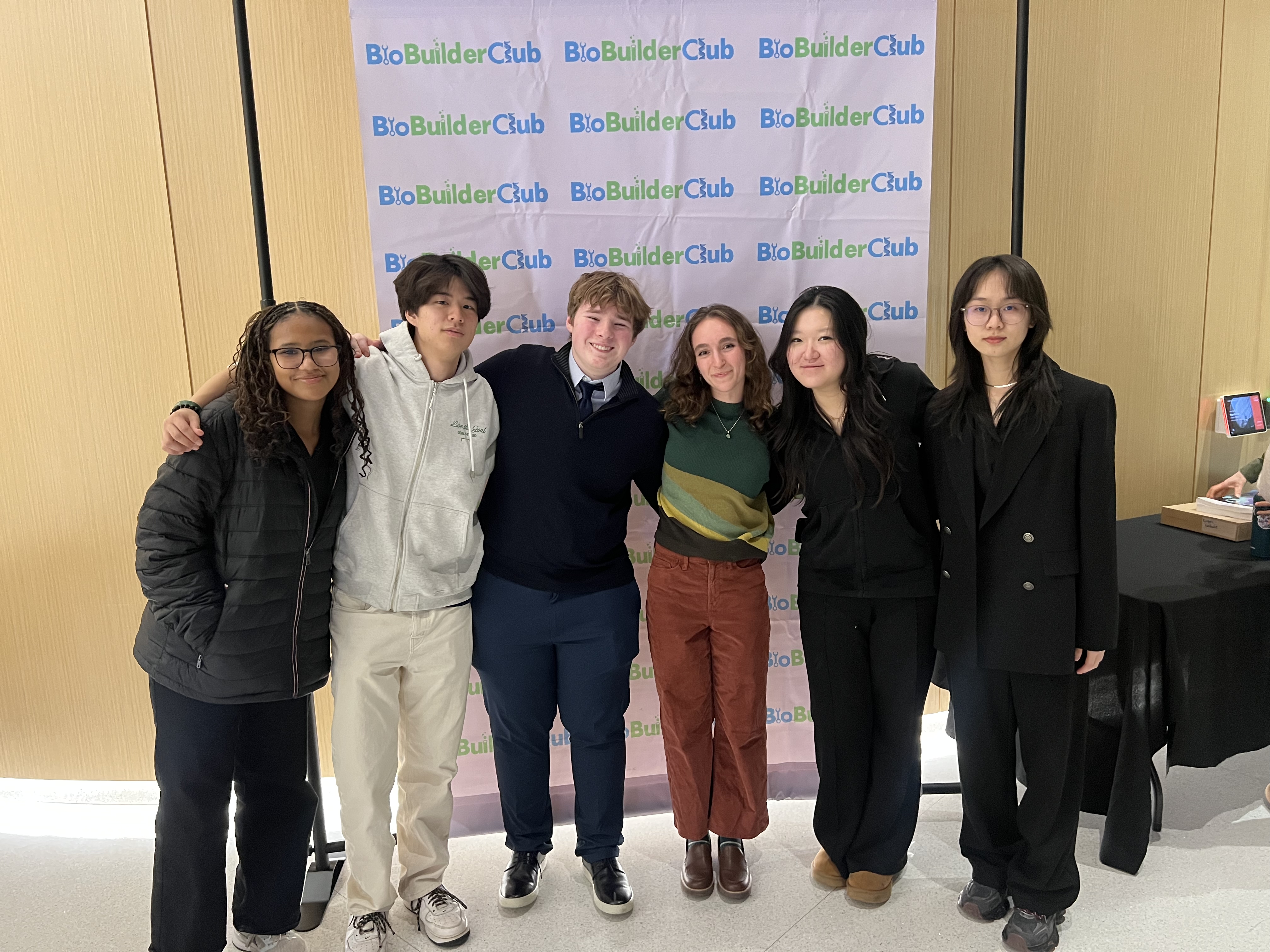
For years, Roush/Wayburn Chair in Environmental Studies Dr. Beth Pethel, with support from the Science Department, has been expanding synthetic biology* programming at Reserve. Once an afternoon-only WRA club, BioBuilder, established by MIT in 2011, has now evolved into leveled courses at Reserve. This year, 10 research papers were published in BioTreks, a peer-reviewed high school synthetic biology journal, and five students were selected to present their research at the BioBuilder Symposium at MIT in Boston, Massachusetts. Additional students were invited to participate virtually.
The projects presented at MIT exemplify the program’s blend of innovation and impact:
- Janie Yoon ’27 and Maya Vaden ’26: In Vitro Biosensor for Detecting Heavy Metals in Cosmetics. Yoon and Vaden’s research centers on using a cell-free fluorescence system to detect harmful heavy metals, such as lead, in cosmetic products. Their goal is to develop an effective lead sensor, making cosmetics safer for consumers.
- James Vacca ’26 and Yunwoo Choi ’26: Engineering E. coli to Produce Tenebrio molitor and Lolium perenne Antifreeze Proteins. Vacca and Choi’s research focuses on engineering E. coli with genes from mealworms and winter rye grass to produce antifreeze proteins. Their goal is to use the antifreeze proteins as a more environmentally friendly road salt.
- Stephanie Qin ’26: Aerobic Bioremediation of Perchlorate Contamination via a Novel Pseudomonas stutzeri Construct. Qin and the afternoon team’s research centers on modifying a soil dwelling bacterium to break down perchlorate, a toxin coming from munitions and firework productions, into chloride. Their goal is to design a cost-effective and easily implemented system that can break down the toxin on location.
Beyond the symposium, the experience offered students the opportunity to explore Boston’s academic and culture landscape. Participants gained a sense of possibility, both from the science and the travel!
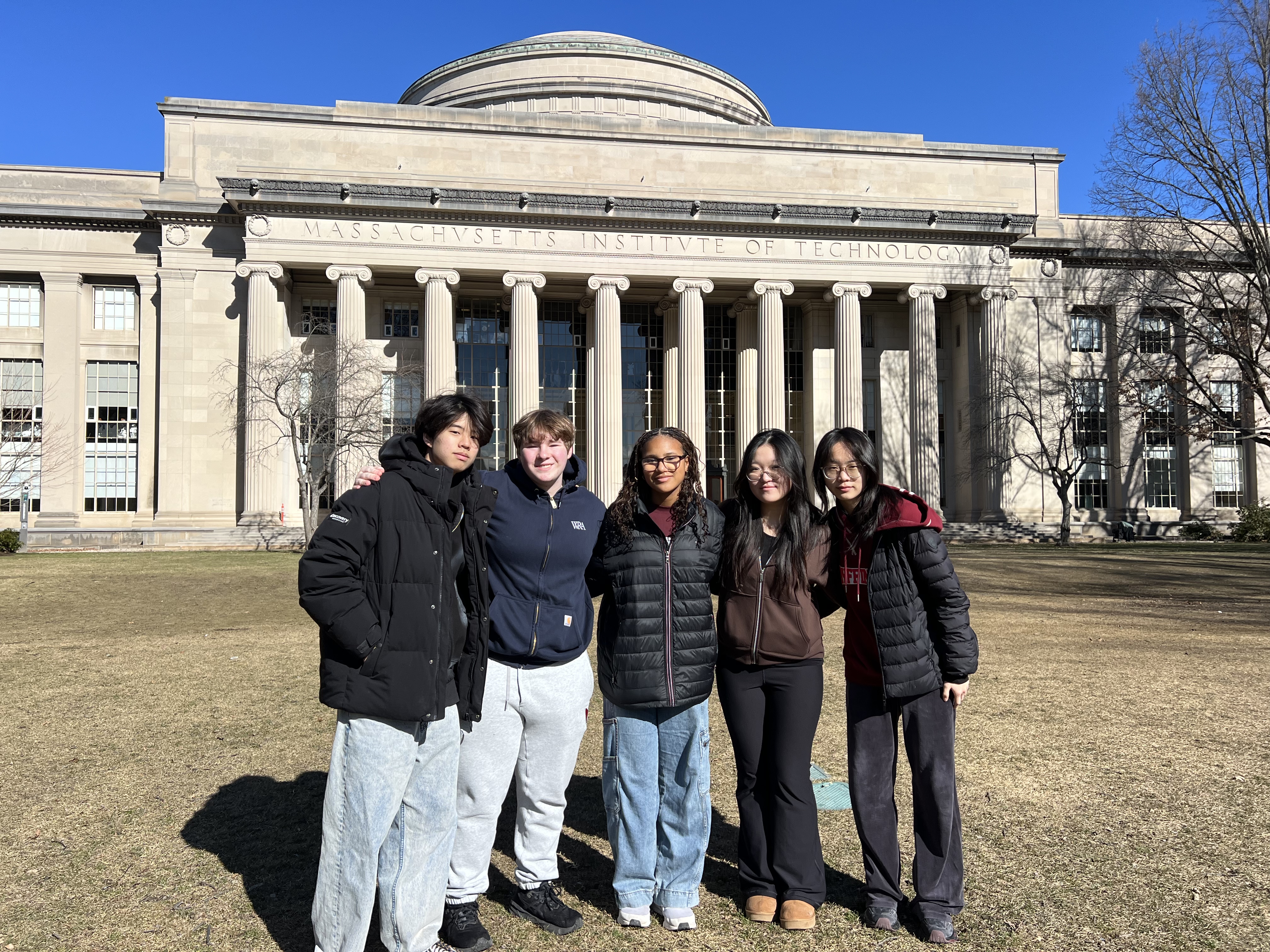
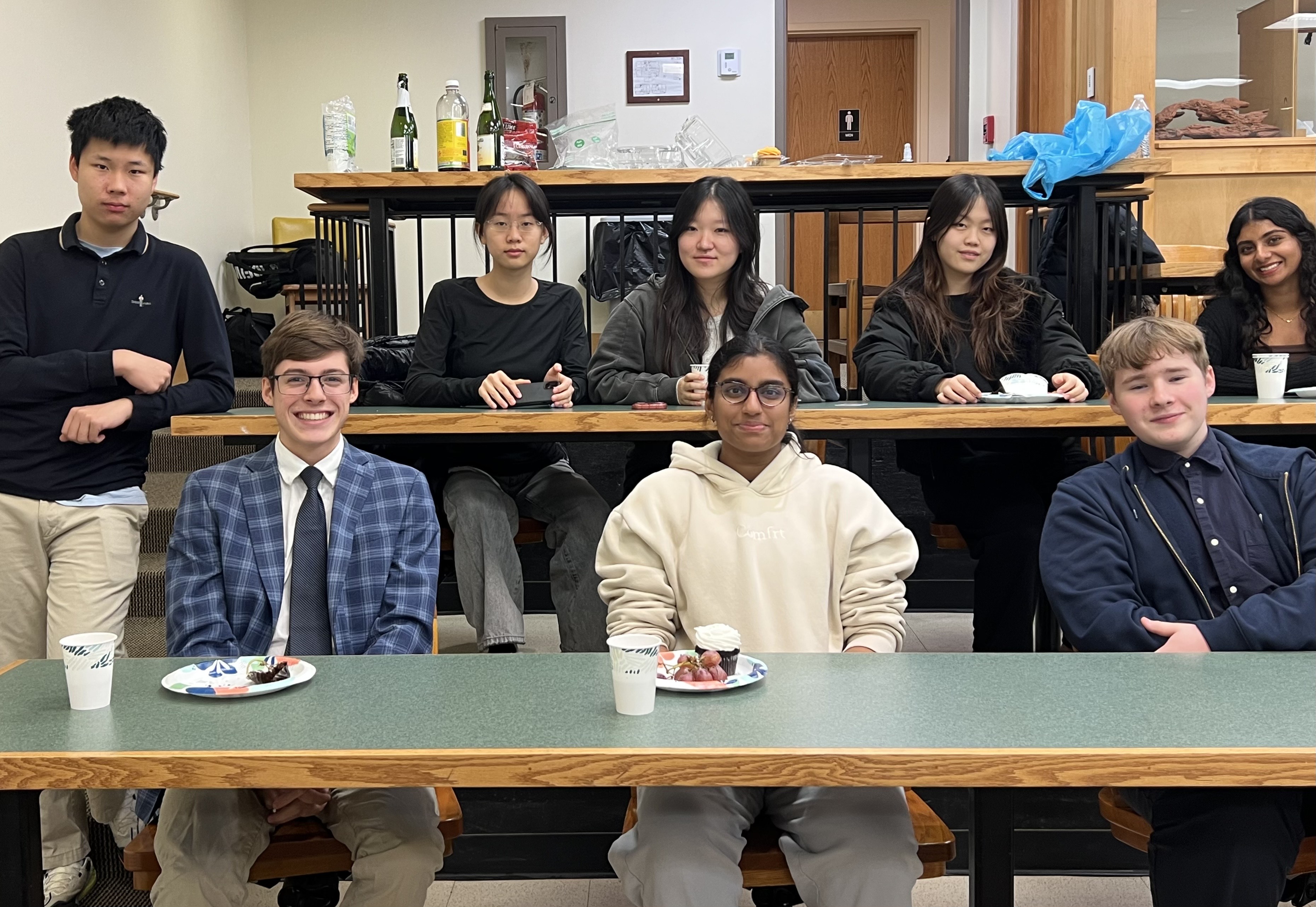
Enjoy a full album from the MIT BioBuilder Symposium by clicking here.
For Vivien Marmerstein ’21, who is serving as interim teacher during Pethel’s sabbatical, the moment carried added meaning. A former participant in the program herself (and mentored by Dr. Pethel as a student!), Marmerstein recently reflected on her journey from student to teacher on the BioBuilder podcast. Tune in by clicking here. Marmerstein’s full-circle path was shaped by early hands-on research at Reserve and a community that makes advanced science accessible.
Congratulations, scientists for your hard work, commitment, resilience and creativity. Together, these milestones reflect a program that pushes students to not only learn, but shape a future that is more equitable, sustainable and healthy.
*Don’t know what synthetic biology is? You’re not alone! The field of synthetic biology challenges humans to develop artificial systems that mimic natural processes. As Marmerstein explains in the podcast, synthetic biology is best understood not as a concept, but as an approach. Students think about real-world problems and design biological solutions. This field is hands-on, collaborative and driven by curiosity.


.jpg&command_2=resize&height_2=85 "Time Marches On: 2026 Moving Up Ceremony Celebrates Another Outstanding School Year")


.jpeg&command_2=resize&height_2=85 "Western Reserve Academy Announces 2026 Commencement Speaker")